



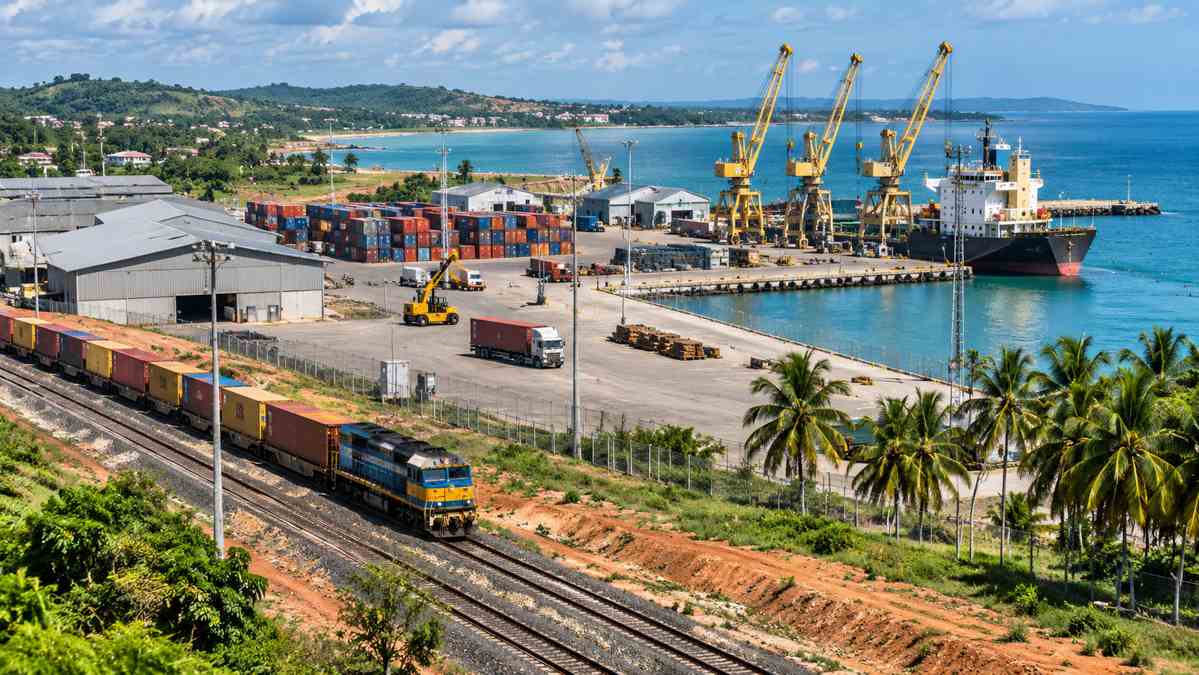
Mozambique construction and infrastructure: the importance of the Nacala Corridor
Mozambique occupies an important position on the eastern coast of southern Africa. Its ports and inland transport connections serve domestic businesses as well as neighbouring landlocked countries. The Nacala Corridor illustrates why transport infrastructure matters to construction companies, engineering consultancies and logistics operators across the region.
What is the Nacala Corridor?
The corridor connects the port of Nacala in northern Mozambique with inland markets, including Malawi. Road and railway connections support the movement of agricultural products, industrial supplies and other freight. The corridor is not a single construction project but a network of infrastructure assets with different owners, operators and maintenance requirements.
The African Development Bank has supported regional transport development, including programmes associated with the Nacala Corridor. Its project information provides a useful starting point for understanding the objectives of cross-border infrastructure investment.
Road construction and maintenance
Reliable roads are essential for connecting communities and businesses to major freight routes. Construction requirements may include pavement rehabilitation, drainage improvements, bridge maintenance and safer junctions. The appropriate scope depends on traffic volumes, ground conditions and the condition of existing infrastructure.
In areas exposed to intense seasonal rainfall, drainage deserves particular attention. Water entering pavement layers can weaken the road structure, while poorly maintained culverts may contribute to local flooding. Engineers need site-specific hydrological and geotechnical information before selecting designs.
Port and logistics infrastructure
Ports require supporting facilities beyond berths and cargo handling equipment. Warehouses, access roads, utility networks and freight storage areas all contribute to efficient operations. Contractors working on operational logistics facilities must coordinate construction activities with vehicle movements and existing business requirements.
For regional suppliers, understanding the logistics chain is as important as understanding the building contract. Equipment availability, transport costs and customs requirements can influence construction programmes. Early procurement planning can help identify materials that need longer lead times.
Opportunities for regional construction businesses
Potential areas of activity include civil engineering, surveying, materials testing, mechanical installations and infrastructure maintenance. These are general areas of industry demand, not a list of confirmed open tenders. Businesses considering work in Mozambique should investigate local licensing, taxation, employment and procurement requirements before making commitments.
South African companies exploring regional partnerships can start with our construction contractors directory to identify complementary capabilities. Local knowledge and meaningful partnerships are particularly valuable when working across borders.
Skills and project delivery
Infrastructure projects depend on engineers, technicians, plant operators, safety professionals and skilled trades. Portuguese-language communication can be important when dealing with local authorities, suppliers and project teams. Employers should plan for clear technical communication and appropriate training.
Good project controls are equally important. Document registers, inspection records and handover procedures help teams maintain accountability. Our guide to construction snagging registers explains a transferable quality management practice, although local contractual requirements must always take precedence.
Where to monitor future developments
Follow official procurement announcements, development finance institutions and relevant Mozambican authorities for specific opportunities. The World Bank’s Mozambique country page provides broader economic and development context.
Readers can also explore our international construction hub for perspectives on other markets. The Nacala Corridor demonstrates how investment in transport networks can support regional trade, but individual construction opportunities should always be assessed against verified project information.
