



A hydraulic engineer analyses fluid movement and designs systems involving water flow and pressure. This South African career guide explains the occupation, entry routes and opportunities for progression. It provides career information rather than current job advertisements.
What does a hydraulic engineer do?
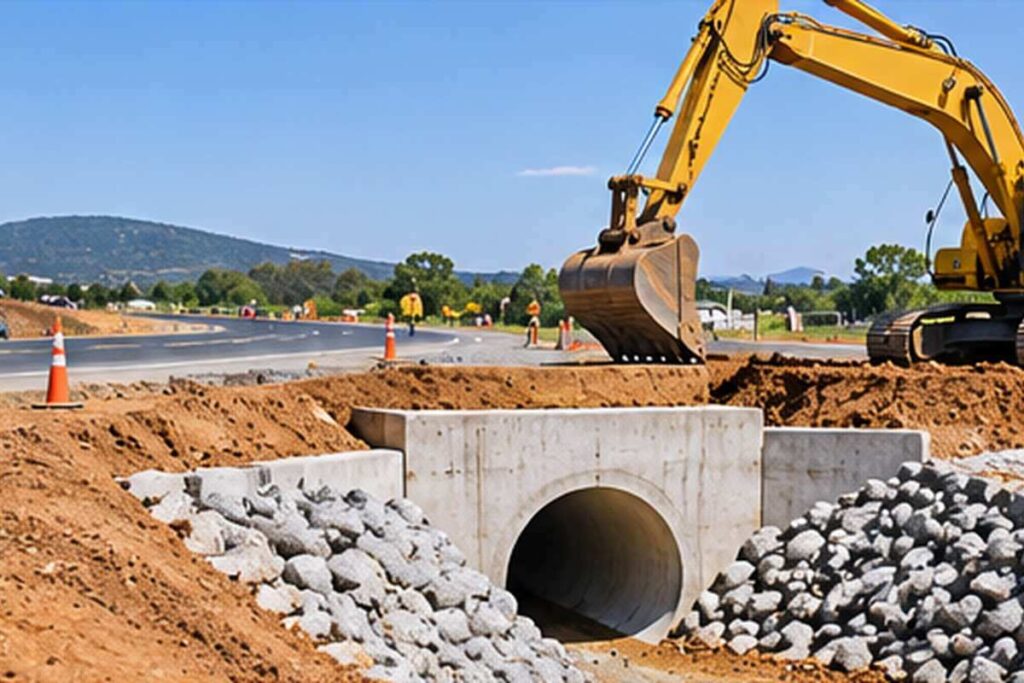
A road crossing requires a culvert that can accommodate expected flood flows. The engineer evaluates catchment information, hydraulic behaviour and downstream impacts before recommending a design approach.
Responsibilities and daily work
- Analyse flow and pressure conditions.
- Develop hydraulic models.
- Assess drainage and flood risks.
- Review hydraulic structures and technical reports.
Responsibilities vary according to the project, employer and assigned authority. Workers should understand the approved scope of their duties, coordinate with other disciplines and communicate problems before they affect safety, quality or the programme. Clear records help the project team make informed decisions and resolve issues.
Qualifications and training in South Africa
An accredited civil or mechanical engineering degree may support entry depending on the field. ECSA registration pathways apply to relevant professional engineering work. Specialist hydraulics, hydrology and modelling training is useful.
Before enrolling in a programme, confirm its accreditation or recognition where applicable, entry requirements, assessment arrangements and workplace learning opportunities. Ask prospective employers which qualifications they accept for the intended position. Keep evidence of completed training and supervised experience. A qualification alone does not automatically confer authority to undertake regulated or specialist work.
Skills employers value
Important skills include fluid mechanics, modelling, numerical analysis and design judgement. Employers also value reliability, clear communication and the ability to interpret instructions accurately. Develop the habit of checking information against approved requirements rather than relying on assumptions. Being able to explain a problem clearly and identify who should resolve it is useful at every career stage.
Employment opportunities
Potential employers include engineering consultancies, water authorities, infrastructure contractors and industrial firms. Employment may be permanent, project-based or involve travel between sites. Explore the construction contractors directory to discover businesses in the sector. For actual vacancies, consult employer recruitment websites and reputable recruitment services directly.
Career progression
A possible pathway is graduate engineer, candidate engineer, hydraulic specialist or professional engineer. Progress depends on demonstrated competence, relevant qualifications, experience and available opportunities. Specialist roles may require additional training or professional registration. Seek opportunities to learn from experienced colleagues and take on progressively more complex responsibilities within your authorised scope.
Practical career advice
Hydraulic models depend on assumptions about boundaries, roughness and flow conditions. Learn to test sensitivity and compare results with observations where available. A model should support engineering judgement rather than replace it, especially where flooding could affect people or property.
When applying for a position, describe the projects, systems or equipment you have worked with and distinguish supervised experience from independent responsibilities. Include relevant qualifications, training records and references where available. Ask about mentoring, workplace learning and the actual responsibilities of the role before accepting a position.
Frequently asked questions
Is hydraulics the same as hydrology?
Hydrology studies water occurrence and movement in catchments; hydraulics focuses on flow behaviour.
Do hydraulic engineers design dams?
Some contribute within multidisciplinary teams.
Can they work on industrial systems?
Yes, with relevant fluid systems expertise.
Is modelling software enough?
No, sound engineering principles and validation are essential.
Related construction careers
Explore our guides to water engineer and civil engineer, or return to the construction careers hub to discover other occupations.
