



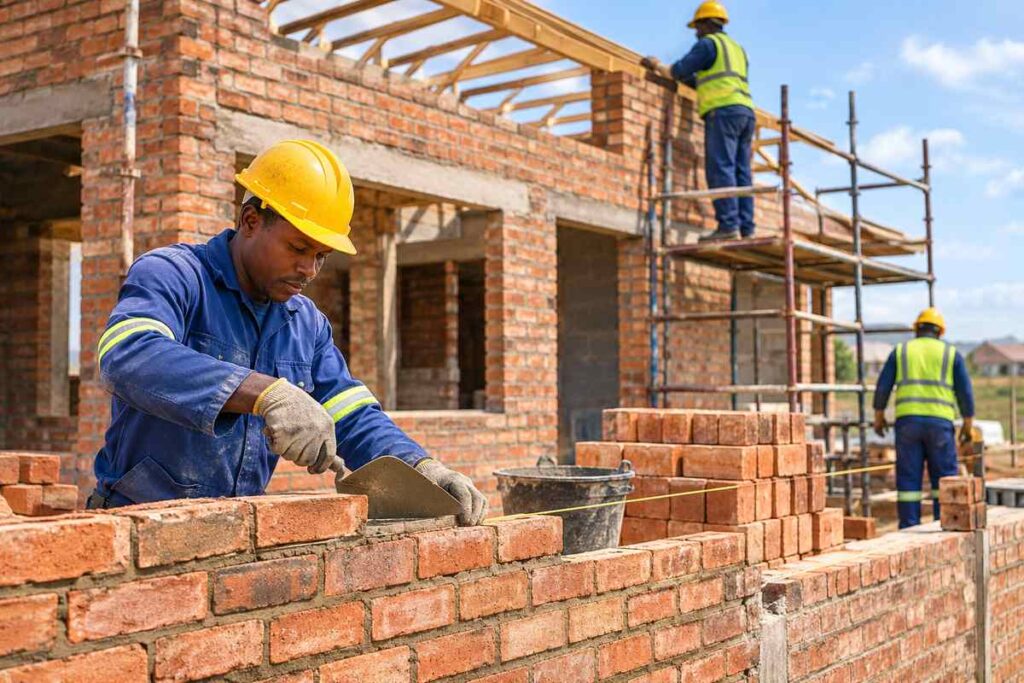
Concrete cover is the distance from the outer concrete surface to the nearest embedded reinforcement surface. It helps protect steel from corrosion and fire and supports the bond and anchorage required by the structural design. The required cover depends on exposure, member type, reinforcement and applicable design requirements.
How cover protects reinforcing steel
Fresh and hardened cementitious concrete normally provides an alkaline environment that helps passivate embedded steel. Carbonation or chloride ingress can undermine this protection. When steel corrodes, expansive corrosion products can crack or dislodge surrounding concrete. Adequate cover, suitable concrete quality, compaction and curing work together to limit deterioration. Cover alone cannot compensate for highly permeable or defective concrete.
Cover and structural performance
Concrete surrounding reinforcement helps transfer forces through bond and provides protection against heating during a fire. Reinforcement position also affects the effective depth and capacity of a member. Excessive cover caused by misplaced bars can therefore be a problem as well as insufficient cover. The engineer specifies the required nominal cover and relevant tolerances.
How cover is measured and maintained
Measure to the nearest reinforcement, which may be a link or stirrup rather than the main bar. Use suitable spacers, chairs and supports compatible with the concrete and exposure. Secure the reinforcement so it does not move during placement. Do not rely on loose bricks, timber scraps or stones as improvised spacers. Inspect the cage and formwork before concrete is placed.
Practical example: a reinforced beam
Suppose a beam drawing specifies a particular cover to the outside of its links. A site worker measures to the main longitudinal bar instead and concludes the cage is correctly positioned. The links may actually be too close to the formwork. The inspection must check the nearest steel surface and the specified dimensions, then correct the supports before the pour. This example explains measurement, not a universal cover value.
Coastal exposure, aggressive ground conditions and fire requirements can influence cover specifications in South Africa. Consult the Concrete Society of Southern Africa and the SABS for relevant concrete guidance and standards. Read our reinforcing steel guide and use the concrete calculator for quantities from approved drawings.
Frequently asked questions
No. It is measured to the nearest reinforcement surface, including links where applicable.
No. Incorrect reinforcement position can affect structural capacity and cracking. Follow the specified cover.
No. Exposed or corroding steel requires assessment of damage, corrosion and suitable repair methods.
Related construction questions
Have More Construction Questions?
Explore our South African construction knowledge hub for practical answers about building materials, costs, regulations, construction methods and more.
Browse All Construction Questions