


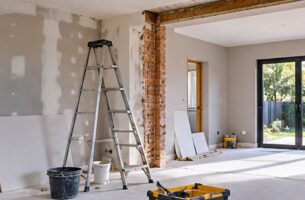
Paint can peel because of moisture, poor preparation, contamination or incompatible coatings. What to consider in practice Identify and resolve the cause before repainting. Coastal humidity, leaking pipes and rising damp can affect South African buildings. Remove unsound coatings using suitable precautions, prepare the surface and follow the paint manufacturer’s instructions. Finding the real cause […]
Read More
A skim coat is a thin finishing layer applied to prepare a surface for decoration. What to consider in practice Use compatible materials and a sound substrate. In renovations, check for loose plaster, damp and active cracks before applying a finishing coat. Allow the specified drying time before painting; a skim coat cannot reliably conceal […]
Read More
A suspended ceiling hangs below the structural soffit using a supporting system. What to consider in practice It can conceal services and provide acoustic or fire performance when designed as a complete assembly. Select appropriate suspension, boards or tiles for the environment. Coordinate access to services and do not suspend heavy equipment from an unsuitable […]
Read More
A tile movement joint accommodates movement in a tiled assembly. What to consider in practice Carry required structural joints through the finish and use compatible flexible detailing. Temperature changes and substrate movement can stress tiled surfaces. Rigid grout is not a substitute for a designed movement joint. Why tiles need movement allowance Tiles, screeds and […]
Read More
Floor tiles can crack because of substrate movement, inadequate support, impact or poorly detailed joints. What to consider in practice Investigate the underlying cause before replacing tiles. Check whether cracking follows a substrate joint or occurs over poorly supported areas. Compatible adhesives, movement joints and correct installation help reduce recurring failures. Understanding the cracking pattern […]
Read More
A screed provides a level or suitably sloped surface for a floor finish. What to consider in practice Choose the screed type and thickness for the substrate and loading. In South African renovations, cement-based screeds are common beneath tiles. Verify moisture, curing and surface preparation requirements before covering the screed. What a screed does A […]
Read More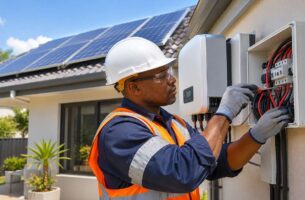
Surge protection helps limit transient overvoltages that can damage electrical equipment. What to consider in practice Protection requires coordinated devices and correct earthing. Lightning exposure and supply conditions influence the design. A surge protective device cannot guarantee protection from every lightning event; consult a registered electrical contractor about the appropriate system. What a surge actually […]
Read More
A solar panel string is a group of modules connected in series to provide a combined DC voltage. What to consider in practice String design must respect inverter voltage and current limits under expected temperatures. South African sites can experience substantial temperature variation, affecting module voltage. DC circuits remain hazardous in sunlight and require competent […]
Read More
A circuit breaker may trip because of overload, short circuit or another fault, depending on the device. What to consider in practice An overloaded circuit may have too many high-power appliances connected. A fault can also cause immediate tripping. Do not repeatedly reset a breaker without identifying the cause; disconnect affected appliances if safe and […]
Read More
Earthing connects designated conductive parts to the earthing system to support fault protection. What to consider in practice Correct bonding and protective device coordination are essential. A registered electrical contractor should assess and test the installation in accordance with applicable South African requirements. Earthing does not make live conductors safe to touch. The purpose of […]
Read More