



Cutting concrete, drilling masonry and grinding stone can release respirable crystalline silica. In the United States, OSHA’s construction silica rule requires employers to control exposure using a compliant sp
Read More
Retaining walls do more than hold back soil. Water accumulating behind a wall increases pressure and can undermine stability, especially after heavy summer rain. Drainage, foundations and backfill should be des
Read More
A balcony can look sound while water is entering at door thresholds, drainage outlets or railing penetrations. South African homeowners and contractors should inspect the full drainage and waterproofing system
Read More
District cooling systems deliver chilled water from central plants to connected buildings, requiring coordinated interfaces between utility networks, mechanical systems, metering and building controls. Authority and prov
Read More
Slab-track construction relies on accurate surveying, prepared support layers, controlled concrete placement and precise track geometry. China has extensive high-speed rail infrastructure, but specific tolerances depend
Read More
Construction and demolition activities can release particulate dust during cutting, excavation, vehicle movement and debris handling. In India, site controls should be aligned with applicable pollution-control directions
Read More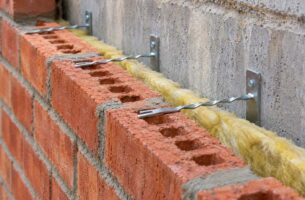
Construction product compliance in Great Britain involves product-specific requirements, declarations and applicable marking arrangements. Site teams still need to demonstrate that the product installed matches the appro
Read More
The US Federal Highway Administration’s National Bridge Inspection Standards govern inspection and reporting of public-road bridges. Condition ratings provide an asset-management signal, not a stand-alone engineering des
Read More
Wall ties help connect masonry leaves and must be installed in the correct positions, embedment and corrosion-resistance class for the design and exposure. Once plaster or finishes cover the wall, defects become harder t
Read More
Concrete curing protects early-age moisture and temperature conditions while cement hydration develops strength. In hot, windy South African weather, exposed slabs can lose moisture rapidly and develop surface defects if
Read More