



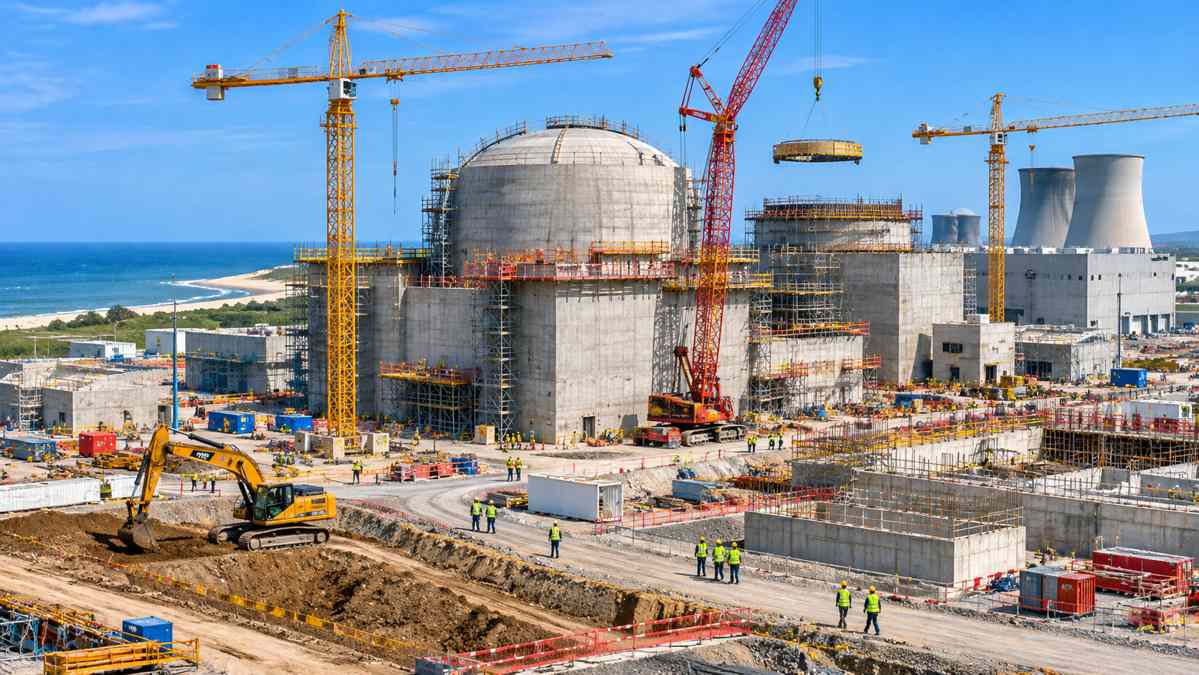
Poland’s first nuclear power plant: construction and infrastructure planning
Poland’s first commercial nuclear power plant programme provides an example of the infrastructure planning required for large energy developments. The proposed site in the Lubiatowo-Kopalino area of northern Poland involves many disciplines beyond the generating station itself. The official project developer, Polskie Elektrownie Jadrowe, provides information about the programme. This article considers general construction implications rather than claiming that particular contracts have been awarded.
Understanding site preparation
Major energy projects require detailed knowledge of the ground, groundwater, environmental conditions and access requirements before construction can proceed. Surveying and geotechnical investigations help designers establish the conditions that will influence foundations, temporary works and earthmoving programmes.
Site preparation must be coordinated with the approved environmental and regulatory requirements. Establishing construction access, temporary facilities and service connections can involve separate design and procurement processes. The sequence matters because delays in enabling infrastructure can affect later construction activities.
Transport and construction logistics
Large industrial developments require sustained deliveries of materials, equipment and specialist components. Logistics planners must assess road capacity, storage areas, handling requirements and the availability of suitable transport routes. Local infrastructure may also need to accommodate the travel needs of a growing construction workforce.
Delivery programmes should be coordinated with available storage and installation schedules. Excessive stockpiling can create space constraints, while poorly timed deliveries may leave specialist teams waiting for critical components. Similar coordination challenges arise on other international infrastructure projects, including the Lobito Corridor, although the engineering requirements differ substantially.
Quality assurance and technical records
Nuclear construction requires project-specific quality assurance, regulatory oversight and specialist competence. Conventional construction experience alone does not qualify a contractor to undertake safety-related nuclear work. Suppliers must understand the qualification and acceptance requirements relevant to their proposed scope.
Accurate technical records help demonstrate that work follows approved designs and procedures. Drawing revisions, inspection evidence and material identification need consistent management throughout the project. Our document control skills guide introduces transferable recordkeeping principles, but does not replace nuclear-specific requirements.
Developing the supply chain
Large energy programmes can encourage investment in workforce training, specialist manufacturing and supporting infrastructure. Participation depends on procurement requirements, demonstrated competence and the ability to deliver the required quality. Contractors should assess their capabilities against actual bid documents rather than relying on broad estimates of potential demand.
Industrial developments also need conventional buildings and services that may be delivered through separate packages. The industrial warehouse construction guide explores general planning considerations for such facilities.
A long-term engineering programme
Poland’s nuclear development illustrates why major energy projects must be understood as interconnected programmes rather than isolated construction sites. Transport, utilities, workforce development, regulatory approvals and quality assurance all influence delivery. Project schedules and contract opportunities may change as decisions progress, so businesses should consult official developer and procurement information before making commercial commitments.
