



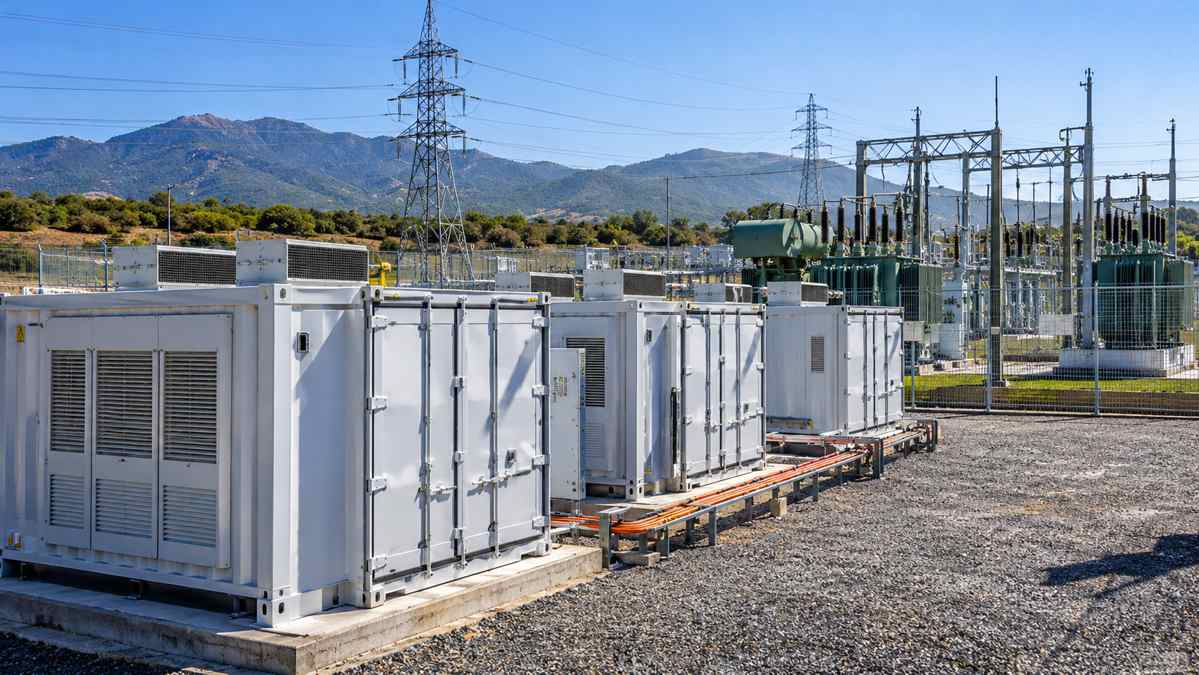
South Africa plans 2,200 MW battery storage procurement: what contractors should know
South Africa is preparing another major procurement round for grid-scale battery energy storage. For construction businesses, the announcement provides an early indication of potential demand for civil works, electrical infrastructure and specialist engineering services.
On 25 November 2026, Engineering News reported that the Independent Power Producer Office was targeting 2,200 MW of capacity, with an energy storage capacity of 8,800 MWh. The request for proposals is anticipated in the fourth quarter of the 2027 financial year, subject to approvals. Around 22 projects are envisaged, but their locations have not been confirmed.
What does the battery storage programme involve?
Unlike a conventional power station, a battery facility stores electricity for later use. Its power rating describes how quickly it can supply electricity, while its energy rating describes the amount available for delivery. At the stated ratings, four hours of output is possible in principle, although actual operating conditions and contractual requirements will govern performance.
The Department of Electricity and Energy has explained that storage is intended to improve the use of existing generation and support the electricity system during periods of higher demand.
Civil construction and site preparation
A utility-scale battery installation requires more than the delivery of electrical equipment. Depending on the design, contractors may need to undertake earthworks, drainage, access roads, equipment foundations and underground service routes. Site investigations help engineers establish suitable foundation arrangements and assess local ground conditions.
Construction teams also need to coordinate equipment delivery with the completion of supporting infrastructure. Heavy transport access, lifting plans and the protection of installed equipment should be considered before site mobilisation.
Businesses can explore relevant services through the South African construction contractors directory.
Electrical and specialist engineering opportunities
Battery facilities typically incorporate power conversion equipment, transformers, control systems and electrical protection. Engineering teams must coordinate these components with the requirements of the grid operator. Commissioning involves demonstrating that equipment and control systems perform as specified.
Fire safety and emergency planning are also integral to facility design. The applicable requirements depend on the technology selected, site conditions and regulatory approvals. Contractors should avoid assuming that experience with ordinary commercial electrical installations automatically qualifies them for high-voltage battery projects.
Preparing for future tenders
Potential suppliers can use the period before procurement to review relevant experience, quality management procedures, staff competencies and financial capacity. Smaller contractors may find opportunities through partnerships with established engineering and construction businesses. The construction careers hub provides further information about roles across the sector.
Project documentation and handover procedures should receive attention from the start. A practical construction snagging register can help teams coordinate defects and outstanding items before final acceptance.
Is procurement open yet?
No. The announcement describes a planned procurement round rather than an awarded construction contract or an open invitation to subcontractors. Final specifications, locations and procurement conditions remain subject to confirmation. Businesses should monitor official announcements and avoid committing significant resources on the assumption that any particular project will proceed immediately.
