



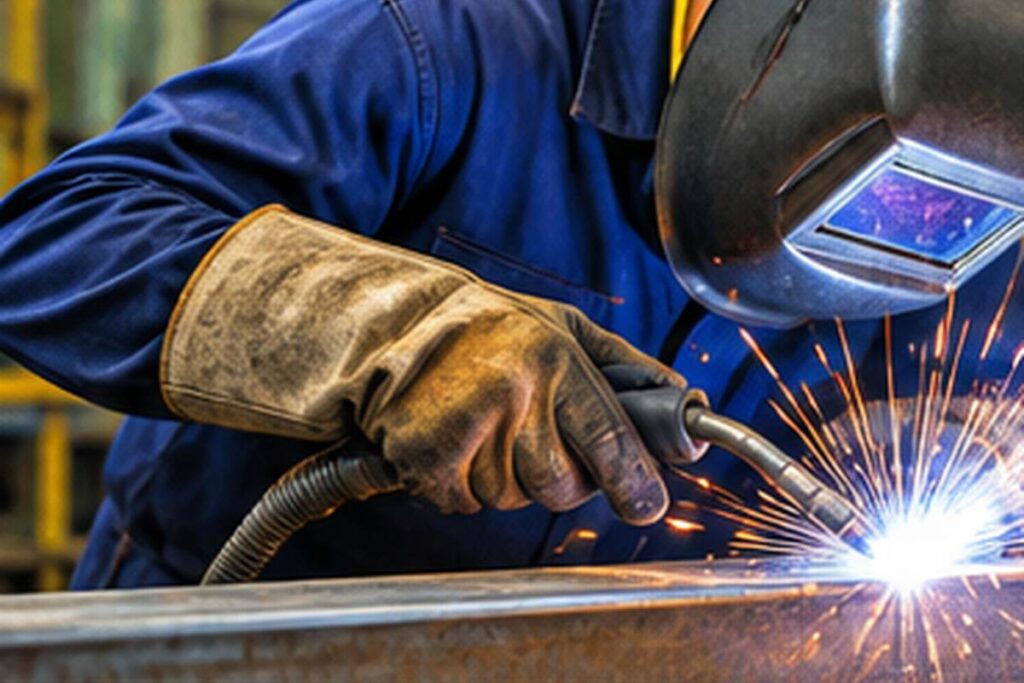
A cnc machine operator operates computer-controlled machinery to manufacture components for construction and fabrication. This South African career guide explains the work, training routes and opportunities for progression. It is intended for career research rather than advertising current vacancies.
What does a cnc machine operator do?
A fabrication workshop needs accurately cut steel plates for a structural assembly. The operator checks the job file, material and machine setup before producing and inspecting components.
Practical responsibilities
- Read job drawings and production instructions.
- Set up approved tooling and material.
- Operate machinery within safe procedures.
- Measure finished components and record defects.
The exact responsibilities depend on the employer, project and equipment involved. Workers should understand their assigned scope, follow approved instructions and report discrepancies before proceeding. Good coordination with other trades helps prevent delays, damage and unnecessary rework.
Qualifications and training in South Africa
Relevant machining, fabrication or manufacturing occupational training and supervised experience are useful. Check QCTO pathways for machinists and related trades. Machine-specific training and employer authorisation are essential.
Before enrolling, confirm the training provider’s accreditation where applicable, entry requirements, assessment arrangements and whether workplace experience is included. Ask prospective employers which qualifications they recognise. Keep copies of training records, assessments and evidence of supervised work so that you can demonstrate your competence when applying for more advanced positions.
Skills employers look for
Important skills include technical drawing, precision measurement, machine controls and quality checks. Employers also value reliability, accurate communication and the ability to identify problems before they affect a project. Understanding technical instructions and maintaining clear records can help workers contribute to consistent quality and safer working practices.
Where can you work?
Potential employers include steel fabrication workshops, joinery factories and component manufacturers. Employment may be permanent, project-based or involve travel between sites. Explore the construction contractors directory to discover businesses in the sector. For current vacancies, consult employer recruitment websites and reputable recruitment services directly.
Career progression
A possible progression pathway is machine assistant, CNC operator, setter, programmer or production supervisor. Advancement depends on demonstrated competence, relevant qualifications, available opportunities and the responsibilities required by the employer.
Practical advice for entering the occupation
CNC operation and programming are different levels of responsibility. Learn to identify incorrect tooling, material or job settings before production starts. Accurate first-piece inspection can prevent an entire batch of unusable components.
When preparing a CV, describe the actual projects, equipment or systems you have worked with and distinguish supervised experience from independent responsibilities. Include relevant qualifications and references where available. Ask employers about structured workplace learning and the opportunities to develop specialist skills rather than assuming that a short course alone guarantees employment.
Frequently asked questions
What does CNC mean?
Computer numerical control.
Do operators need programming skills?
Basic understanding helps; programming may be a separate role.
Can CNC machines cut wood and steel?
Different machines and tooling suit different materials.
Is measurement important?
Yes, dimensional accuracy is central to the work.
Related construction careers
Explore our guides to metal worker and cabinetmaker, or return to the construction careers hub to discover other occupations.
