



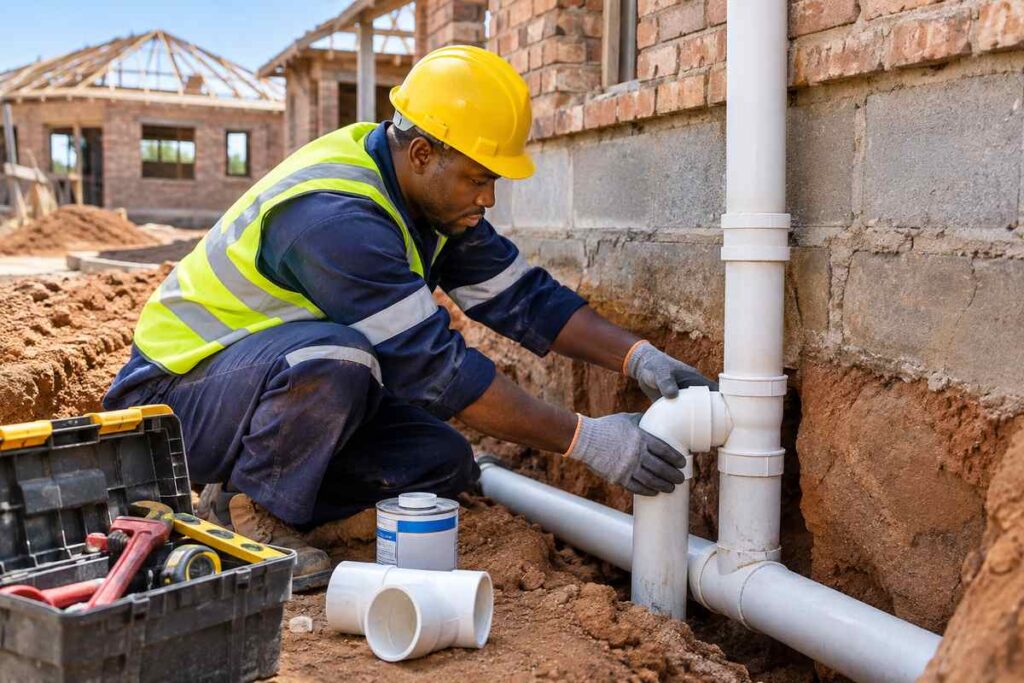
A pump technician installs, services and diagnoses pumps used in water, drainage and industrial systems. This South African career guide explains the work, training routes and opportunities for progression. It is intended for career research rather than advertising current vacancies.
What does a pump technician do?
A building booster pump fails to maintain pressure. The technician investigates the pump, controls and system conditions rather than assuming the pump itself is defective.
Practical responsibilities
- Inspect pumps and associated equipment.
- Diagnose flow, pressure and mechanical faults.
- Replace or service components within scope.
- Support testing and record performance.
The exact responsibilities depend on the employer, project and equipment involved. Workers should understand their assigned scope, follow approved instructions and report discrepancies before proceeding. Good coordination with other trades helps prevent delays, damage and unnecessary rework.
Qualifications and training in South Africa
Mechanical fitting, plumbing or electromechanical occupational training can support entry. Supervised pump servicing and manufacturer training are valuable. Electrical work and specialist pressure systems require applicable competence and authorisation.
Before enrolling, confirm the training provider’s accreditation where applicable, entry requirements, assessment arrangements and whether workplace experience is included. Ask prospective employers which qualifications they recognise. Keep copies of training records, assessments and evidence of supervised work so that you can demonstrate your competence when applying for more advanced positions.
Skills employers look for
Important skills include mechanical diagnostics, alignment, hydraulic principles and maintenance records. Employers also value reliability, accurate communication and the ability to identify problems before they affect a project. Understanding technical instructions and maintaining clear records can help workers contribute to consistent quality and safer working practices.
Where can you work?
Potential employers include pump suppliers, water contractors, facilities teams and industrial maintenance firms. Employment may be permanent, project-based or involve travel between sites. Explore the construction contractors directory to discover businesses in the sector. For current vacancies, consult employer recruitment websites and reputable recruitment services directly.
Career progression
A possible progression pathway is assistant, pump technician, field service specialist or maintenance supervisor. Advancement depends on demonstrated competence, relevant qualifications, available opportunities and the responsibilities required by the employer.
Practical advice for entering the occupation
Understand how system conditions influence pump performance. A blocked suction line, unsuitable operating point or control fault can produce symptoms similar to mechanical failure. Learn to interpret pump curves and communicate findings to the responsible engineer or supervisor.
When preparing a CV, describe the actual projects, equipment or systems you have worked with and distinguish supervised experience from independent responsibilities. Include relevant qualifications and references where available. Ask employers about structured workplace learning and the opportunities to develop specialist skills rather than assuming that a short course alone guarantees employment.
Frequently asked questions
Do pump technicians need electrical skills?
Basic knowledge is useful; regulated electrical work requires appropriate competence.
What is cavitation?
A phenomenon involving vapour bubbles that can damage pumps.
Can technicians service borehole pumps?
Yes, with relevant equipment training.
Do all pumps use the same maintenance procedure?
No, follow the specific design and manufacturer instructions.
Related construction careers
Explore our guides to mechanical engineer and borehole driller, or return to the construction careers hub to discover other occupations.
