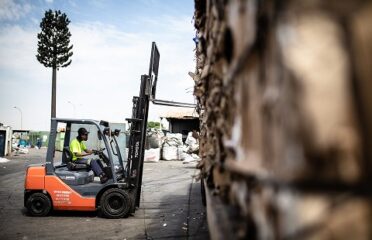
Zero to Landfill Waste Management Companies in South Africa
Zero to landfill programmes aim to divert waste from landfill through prevention, reuse, recycling and other suitable recovery routes. Construction projects can separate materials such as metals, timber, packaging and rubble to improve recovery. Claims should be supported by documented waste destinations and measured diversion rates.
Choosing a Provider
Ask for a waste audit, collection arrangements, recovery routes and reporting method. Confirm applicable waste handling requirements and how residual or hazardous waste is managed. See rubble removal services for site collection.
Explore companies across Gauteng, Western Cape, Eastern Cape, KwaZulu-Natal, Free State, Limpopo, Mpumalanga, North West and Northern Cape. Confirm service coverage directly with each business.
Project Specifications and Quotations
Prepare a waste inventory identifying expected material streams, quantities and site storage space. Ask providers to distinguish reuse, recycling and other recovery routes in their reporting. Specify collection frequency, container sizes, contamination limits and responsibility for rejected loads. Request evidence of receiving facilities and weighbridge records where available. Compare quotations for transport, sorting, processing and residual disposal rather than collection alone. Establish a baseline and agree how diversion percentages will be calculated consistently throughout the project. Train site teams to separate materials and keep hazardous waste out of ordinary recovery containers. For related project requirements, compare skip hire companies and wood shavings suppliers.
Frequently Asked Questions
Does zero to landfill mean no waste is generated?
No. It describes diversion of generated waste from landfill; prevention and reuse should still be prioritised.
Can construction rubble be recycled?
Clean concrete, brick and other suitable materials may be recovered where facilities accept them. Confirm contamination limits first.
How is diversion measured?
Record quantities by material stream and documented receiving destination, using a consistent calculation method.
Can hazardous waste be mixed with recyclables?
No. Identify hazardous materials separately and arrange appropriate authorised handling and disposal.

 33 Dynamo Way, Wimbledon Estate, Cape Town, 7581
 149 Clydesdale Road, Springs, ...