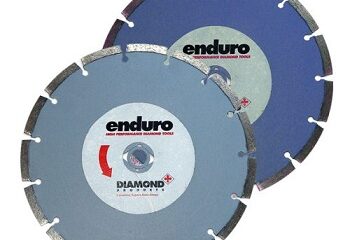
Diamond blades are cutting tools incorporating diamond abrasive segments or rims for suitable hard materials. Construction contractors use them with compatible saws and cutting machines for concrete, masonry, stone and tiles. Blade selection depends on the material, cutting method, machine specifications and required finish.
Applications and services
Segmented blades are commonly used for selected concrete and masonry applications, while continuous rim designs may suit certain tile and stone cutting tasks. Wet and dry cutting blades have different operating requirements. Reinforced concrete, abrasive materials and dense stone can require different bond characteristics. Blade diameter, bore size and maximum operating speed must match the machine. Dust, slurry and noise controls should be planned before cutting begins, particularly when working with silica-containing materials.
Choosing suppliers and specialists
Provide suppliers with the machine model, material type, required cutting depth and intended wet or dry operation. Request technical information confirming blade compatibility and operating limits. Compare expected blade life and cutting performance for the actual application rather than purchase price alone. Check availability of replacement blades and suitable accessories. Follow manufacturer instructions for mounting, inspection and use, and ensure machine guards remain in place. Arrange appropriate operator training and exposure controls. Structural cutting or work near concealed services requires competent assessment and approval before proceeding.
No. Blade construction and bond characteristics must suit the material and machine. Incorrect selection can reduce performance or create hazards.
Can wet cutting blades be used dry?
Only if the manufacturer explicitly permits dry operation. Follow the specified cooling and operating requirements.
Why does a diamond blade stop cutting effectively?
Possible causes include unsuitable blade selection, wear or glazing. Inspect the blade and consult the manufacturer before attempting corrective action.

 Unit 6, 3 Jig Rd, Montague Gardens, Cape Town, 7441, South Africa
 21 Prince Street, Durban, 4001...