

Durastone...
149 Clydesdale Road, Springs, Ga...

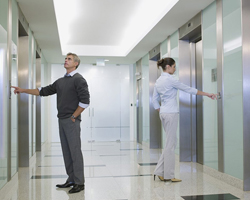
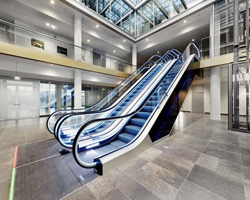
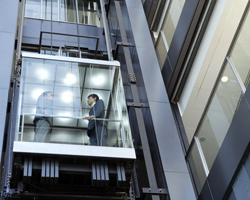
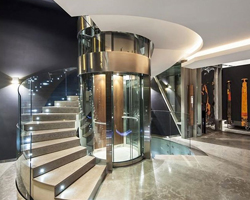
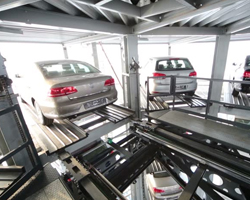
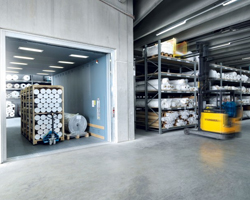
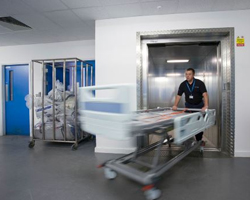
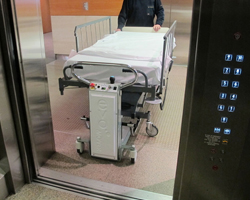
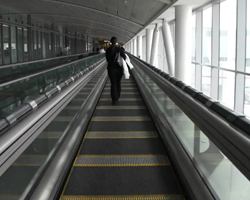
Passenger, hospital, freight and residential lifts serve different purposes and require different capacities, controls and access arrangements. New installations should be designed around the building’s intended users, available shaft space, structural provisions and applicable safety requirements. Existing lifts may need an assessment before upgrading equipment.
Maintenance should be planned according to equipment type, usage and the manufacturer’s requirements. Ask about inspection procedures, emergency communication, availability of replacement parts and response arrangements for breakdowns. A repair quotation should identify the fault, proposed components and testing required before the lift returns to service.
Provide drawings, floor levels, intended capacity and operating requirements. Confirm the responsibilities of the lift contractor, engineer and building owner for approvals, installation, commissioning and ongoing inspections. Request handover documentation, operating instructions and current evidence of the contractor’s relevant qualifications.
For occupied buildings, discuss how servicing or replacement work will affect access between floors. Agree emergency procedures and communication with residents, staff or tenants. Ask whether maintenance contracts include routine inspections, call-outs, consumables and specialist repairs, or whether these are charged separately.
49 Main Reef Rd, Mindalore, Krugersdorp, 1739
Get Directions Whatsapp
 Own or work here?
Claim Now!
Claim Now!
149 Clydesdale Road, Springs, Ga...

21 Prince Street, Durban, 4001, ...


