Cavity Wall Insulation Company Listings | Construction Companies South Africa
Search cavity wall insulation business listings in all provinces in South Africa (Gauteng, Western Cape, Eastern Cape, KwaZulu-Natal, Free State, Limpopo, Mpumalanga, North West and the Northern Cape).
The Role of Cavity Wall Insulation Companies in South Africa’s Construction Industry
As South Africa continues to face rising energy costs and a growing emphasis on sustainable building practices, cavity wall insulation has become a key component in modern construction. By improving energy efficiency and enhancing comfort, cavity wall insulation addresses both economic and environmental concerns. This article explores the significance of cavity wall insulation, highlights leading companies in the sector, and examines the challenges and opportunities associated with this essential building material in South Africa.
The Significance of Cavity Wall Insulation
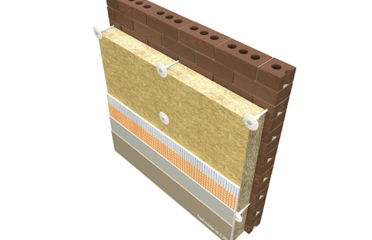
Cavity wall insulation is a method of improving the thermal efficiency of buildings by filling the gap between two layers of wall with insulating material. This technique offers numerous benefits that make it a popular choice for both new builds and retrofitting existing structures:
Energy Efficiency: One of the primary advantages of cavity wall insulation is its ability to reduce heat loss. By filling the cavity between the walls, insulation minimizes the amount of heat that escapes from the building, which can lead to significant reductions in energy consumption. This improvement in energy efficiency not only helps in lowering heating and cooling costs but also contributes to a smaller carbon footprint.
Enhanced Comfort: Proper insulation helps maintain a consistent indoor temperature, making living spaces more comfortable. By reducing drafts and cold spots, cavity wall insulation ensures that homes and commercial buildings remain cozy and pleasant throughout the year.
Noise Reduction: Insulation also provides soundproofing benefits by dampening external noise. This is particularly valuable in urban areas or locations with high levels of ambient noise, where reducing sound transmission can enhance the overall living and working environment.
Condensation Control: Cavity wall insulation helps in controlling condensation by keeping the inner wall surface warmer. This reduces the likelihood of moisture buildup and mold growth, which can have detrimental effects on building health and occupant wellbeing.
Increased Property Value: Buildings with effective insulation are often more attractive to potential buyers due to their lower running costs and improved comfort. As a result, investing in cavity wall insulation can enhance the value of a property.
Leading Cavity Wall Insulation Companies in South Africa
Several companies in South Africa specialize in cavity wall insulation, offering a range of products and services designed to meet various construction needs. These companies are known for their expertise, quality, and commitment to customer satisfaction.
Insulpro: Insulpro is a leading provider of cavity wall insulation in South Africa, known for its high-quality products and professional installation services. The company offers a range of insulation materials, including expanded polystyrene (EPS), polyurethane, and mineral wool, tailored to meet different performance requirements. Insulpro is recognized for its focus on energy efficiency and its ability to deliver customized solutions for residential and commercial projects.
Eco Insulation: Eco Insulation specializes in sustainable and eco-friendly insulation solutions, including cavity wall insulation. The company is known for its use of environmentally friendly materials and its commitment to reducing the carbon footprint of buildings. Eco Insulation offers various insulation options, such as cellulose and recycled materials, to enhance thermal performance and support green building practices.
ThermoSeal: ThermoSeal provides a range of insulation solutions, including cavity wall insulation, with a focus on improving energy efficiency and comfort. The company offers advanced insulation materials and technologies, ensuring that their products meet the highest standards of performance. ThermoSeal’s expertise in installation and its dedication to customer service make it a prominent player in the South African insulation market.
Aero Insulation: Aero Insulation is known for its innovative approach to cavity wall insulation, offering a variety of high-performance products designed to meet the needs of modern construction. The company’s solutions include both traditional and cutting-edge materials, such as reflective insulation and spray foam, providing options for different building requirements. Aero Insulation is recognized for its technical expertise and its ability to deliver effective insulation solutions.
Challenges and Opportunities
The cavity wall insulation industry in South Africa faces several challenges and opportunities that impact its growth and development.
Challenges
Regulatory Compliance: Ensuring compliance with local building codes and standards is essential for cavity wall insulation companies. Regulations related to energy efficiency, safety, and material performance must be adhered to, which requires staying informed about the latest requirements and implementing best practices.
Climate Considerations: South Africa’s diverse climate presents challenges for insulation performance. Insulation materials must be designed to handle extreme temperatures, high humidity, and other environmental factors. Companies must select the right materials and ensure proper installation to achieve optimal results.
Market Awareness: Despite the benefits of cavity wall insulation, there may be a lack of awareness among property owners and builders about its advantages and the potential cost savings. Companies need to invest in education and outreach to increase understanding and encourage the adoption of insulation solutions.
Opportunities
Sustainability Trends: The growing emphasis on sustainability and energy efficiency in construction presents opportunities for cavity wall insulation companies. By offering eco-friendly and high-performance insulation solutions, companies can align with green building standards and appeal to environmentally conscious customers.
Technological Advancements: Advances in insulation materials and installation technologies provide opportunities for innovation. Companies that embrace new technologies, such as advanced spray foam or reflective insulation, can enhance their product offerings and meet the evolving needs of the market.
Retrofit Market: The demand for retrofitting existing buildings with insulation is increasing as property owners seek to improve energy efficiency and reduce running costs. Companies that specialize in retrofit solutions can tap into this growing market and offer tailored services to enhance the performance of older buildings.
Future Trends in Cavity Wall Insulation
Several trends are likely to influence the future of cavity wall insulation in South Africa:
Integration with Smart Technologies: The integration of smart technologies, such as automated temperature controls and energy monitoring systems, is becoming more prevalent. Insulation companies that incorporate these technologies into their solutions can offer enhanced performance and convenience to customers.
Focus on Health and Wellness: There is a growing focus on indoor air quality and occupant health. Companies that offer insulation solutions with added benefits, such as improved air quality and reduced allergens, can cater to the increasing demand for healthier living environments.
Regenerative Building Practices: The concept of regenerative building practices, which goes beyond sustainability to restore and enhance the environment, is gaining traction. Insulation companies that align with these principles by using renewable materials and reducing waste will be well-positioned to meet future market demands.
Conclusion
Cavity wall insulation plays a crucial role in South Africa’s construction industry by enhancing energy efficiency, comfort, and property value. As the industry evolves, companies specializing in cavity wall insulation must navigate challenges, seize opportunities, and stay ahead of trends to remain competitive and meet the needs of modern construction. By focusing on quality, innovation, and sustainability, cavity wall insulation providers can contribute to the success of building projects and support the advancement of energy-efficient and environmentally friendly construction practices across South Africa.

 23 Kenwil Drive, Okavango Park, Brackenfell
 Unit 4 Lowel Level Commercial ...