Breathing Easy: The Air Purification Equipment Business in South Africa
In South Africa, the air purification equipment business is gaining momentum as concerns about indoor air quality and respiratory health continue to rise. Air purification systems play a critical role in removing pollutants, allergens, and contaminants from indoor air, thereby creating cleaner, healthier environments for residential, commercial, and industrial settings. This article explores the significance of the air purification equipment business in South Africa and highlights the benefits it offers in improving indoor air quality.
Significance of Air Purification Equipment:
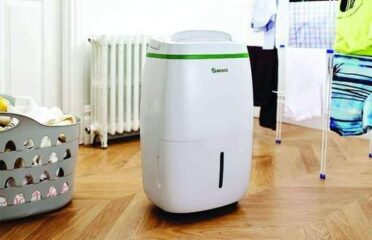
Air purification equipment is designed to remove airborne particles, pollutants, and microorganisms from indoor air, reducing the risk of respiratory problems, allergies, and other health issues. These systems utilize various technologies, including HEPA (High-Efficiency Particulate Air) filters, activated carbon filters, UV-C light, ionization, and photocatalytic oxidation, to capture and neutralize contaminants such as dust, pollen, pet dander, mold spores, bacteria, and viruses. With indoor air pollution becoming a growing concern, especially in urban areas and industrial settings, air purification equipment plays a crucial role in maintaining healthy indoor environments.
Key Types of Air Purification Equipment:
HEPA Air Purifiers: These units use HEPA filters to capture particles as small as 0.3 microns, including dust, pollen, mold spores, and pet dander, ensuring cleaner and fresher indoor air.
Activated Carbon Air Purifiers: Equipped with activated carbon filters, these purifiers adsorb odors, gases, and volatile organic compounds (VOCs), improving air quality and eliminating unpleasant smells.
UV-C Air Purifiers: UV-C light systems sterilize and disinfect air by destroying bacteria, viruses, and other microorganisms, reducing the risk of airborne infections and respiratory illnesses.
Ionic Air Purifiers: These purifiers emit negative ions that attach to airborne particles, causing them to clump together and fall out of the air, effectively removing pollutants and allergens.
Photocatalytic Oxidation (PCO) Purifiers: PCO systems use UV light and a catalyst (usually titanium dioxide) to oxidize and decompose organic pollutants, VOCs, and odors into harmless byproducts, improving indoor air quality.
Benefits of Air Purification Equipment:
Improved Indoor Air Quality: Air purification equipment removes airborne pollutants, allergens, and contaminants, creating cleaner, fresher, and healthier indoor environments for occupants.
Allergy Relief: By capturing allergens such as dust, pollen, and pet dander, air purifiers provide relief to allergy sufferers and improve respiratory health.
Reduced Asthma Symptoms: Asthma patients benefit from cleaner indoor air with fewer triggers, leading to fewer asthma attacks and improved symptom control.
Odor Elimination: Activated carbon filters in air purifiers effectively adsorb and neutralize odors from cooking, pets, smoke, and household chemicals, improving indoor air freshness.
Protection Against Illness: UV-C light and PCO systems in air purifiers help sterilize and disinfect air, reducing the spread of bacteria, viruses, and other pathogens, and lowering the risk of airborne infections.
Leading Air Purification Equipment Manufacturers in South Africa:
Several reputable companies specialize in manufacturing and supplying air purification equipment across South Africa:
EcoAir Purifiers: Offers a range of HEPA air purifiers, activated carbon filters, and UV-C light systems designed for residential, commercial, and medical applications.
Medklinn: Provides advanced air and surface sterilization systems using patented Cerafusion technology, offering chemical-free and environmentally friendly solutions for indoor air quality improvement.
Ozone Solutions: Specializes in ozone generators and air purification systems for odor removal, disinfection, and sterilization in various industries, including hospitality, healthcare, and food processing.
Future Trends in Air Purification Equipment Technology:
As technology advances, air purification equipment is evolving to meet the changing needs and preferences of consumers and businesses:
Smart Air Purifiers: Integration of IoT (Internet of Things) connectivity allows for remote monitoring, control, and automation of air purification systems via mobile apps and smart home devices.
Multi-Stage Filtration: Adoption of multi-stage filtration systems combines HEPA filters, activated carbon filters, UV-C light, and other technologies for comprehensive air purification and contaminant removal.
Energy Efficiency: Focus on energy-efficient designs and low-power consumption to reduce operating costs and environmental impact while maintaining optimal performance and air quality.
Conclusion:
The air purification equipment business is essential for improving indoor air quality, respiratory health, and overall well-being in South Africa. By providing effective solutions for removing pollutants, allergens, and contaminants from indoor air, air purifiers contribute to creating cleaner, fresher, and healthier indoor environments for homes, offices, schools, hospitals, and other indoor spaces. Whether through HEPA filtration, activated carbon adsorption, UV-C sterilization, or PCO oxidation, air purification equipment plays a crucial role in safeguarding public health and enhancing quality of life in South Africa’s diverse communities. Partnering with reputable manufacturers ensures access to high-quality, reliable air purification solutions tailored to meet the specific needs and challenges of indoor air quality management in South Africa’s dynamic urban and industrial environments.

 Unit 4 Fairview Industrial Park Leadwood Crescent Fairview Port Elizabeth 6070
 21 Prince Street, Durban, 4001...