Breathe Easy: The Air Monitoring Systems Business in South Africa
In South Africa, the air monitoring systems business plays a vital role in safeguarding public health, protecting the environment, and ensuring regulatory compliance with air quality standards. Air monitoring systems are essential for measuring and analyzing air pollution levels, pollutant concentrations, and atmospheric conditions in various urban, industrial, and residential areas. This article explores the significance of the air monitoring systems business in South Africa and highlights the benefits they offer in monitoring and managing air quality.
Significance of Air Monitoring Systems:
Air monitoring systems are instrumental in assessing the quality of ambient air and identifying sources of pollution that may pose health risks to the population. These systems utilize sensors, analyzers, and data collection devices to measure concentrations of pollutants such as particulate matter (PM), nitrogen dioxide (NO2), sulfur dioxide (SO2), carbon monoxide (CO), ozone (O3), and volatile organic compounds (VOCs). By providing real-time data on air quality, air monitoring systems help inform policy decisions, guide urban planning, and implement pollution control measures to mitigate environmental impacts.
Key Components of Air Monitoring Systems:
- Monitoring Stations: Fixed or mobile stations equipped with sensors and analyzers to measure air quality parameters.
- Sensors and Analyzers: Instruments capable of detecting and quantifying various pollutants present in the air.
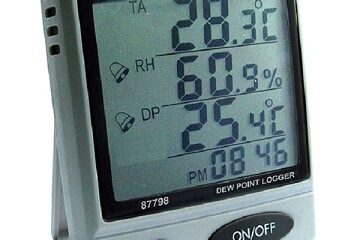
- Data Loggers: Devices used to collect, store, and transmit data from monitoring stations to central databases or control centers.
- Communication Systems: Networking infrastructure and communication protocols for transmitting data and alerts in real-time.
- Data Analysis Software: Tools for processing, analyzing, and visualizing air quality data to identify trends, patterns, and sources of pollution.
Benefits of Air Monitoring Systems:
- Public Health Protection: Air monitoring systems help identify air pollutants that may pose health risks, enabling authorities to implement measures to reduce exposure and protect public health.
- Environmental Monitoring: Monitoring air quality allows for the assessment of environmental impacts of industrial activities, transportation, and urban development.
- Regulatory Compliance: Air monitoring systems help governments and regulatory agencies enforce air quality standards and regulations by providing accurate and reliable data on pollutant concentrations.
- Early Warning Systems: Real-time monitoring allows for the detection of air pollution events and the implementation of emergency response measures to mitigate impacts on public health and the environment.
- Data-driven Decision Making: Air quality data collected by monitoring systems serve as valuable inputs for policy development, urban planning, and pollution control strategies.
Leading Air Monitoring Systems Providers in South Africa:
Several reputable companies specialize in manufacturing and supplying air monitoring systems across South Africa:
ENVEA South Africa: Offers a wide range of air quality monitoring solutions, including stationary and mobile monitoring stations, sensors, analyzers, and data management software.
Aeroqual South Africa: Provides innovative air quality monitoring products, including portable and fixed monitoring instruments, wireless sensors, and cloud-based data management platforms.
Ecotech South Africa: Specializes in environmental monitoring solutions, including air quality monitoring systems, gas analyzers, particulate monitors, and meteorological sensors.
Future Trends in Air Monitoring Systems Technology:
As the demand for accurate and reliable air quality data grows, air monitoring systems technology is evolving to meet the challenges of urbanization, industrialization, and climate change:
Miniaturization and IoT Integration: Advances in sensor technology and IoT connectivity enable the development of compact, low-cost air monitoring devices for distributed deployment in urban areas and communities.
Data Fusion and Machine Learning: Integration of air quality data with other environmental and socio-economic data sources allows for more comprehensive analysis and modeling of pollution sources, pathways, and impacts.
Smart Cities Integration: Air monitoring systems are increasingly integrated into smart city initiatives, providing real-time air quality information to residents, businesses, and policymakers through digital platforms and mobile applications.
Conclusion:
The air monitoring systems business plays a crucial role in promoting public health, environmental sustainability, and regulatory compliance in South Africa. By providing accurate and reliable data on air quality, these systems empower governments, regulatory agencies, and communities to make informed decisions, implement effective pollution control measures, and protect the well-being of citizens. Whether through stationary monitoring stations, mobile monitoring units, or innovative sensor technologies, air monitoring systems contribute to creating healthier, cleaner, and more livable cities and communities across South Africa. Partnering with reputable air monitoring systems providers ensures access to state-of-the-art technologies, reliable data, and expert support for monitoring and managing air quality in South Africa’s dynamic urban and industrial environments.