Showcase your grease trap products and services to potential customers across South Africa. Add your company to our construction business directory.
Add Your CompanyAnnual listing packages from R199Grease traps and grease interceptors help separate fats, oils and grease from wastewater before it enters drainage systems. Restaurants, commercial kitchens, hotels and food preparation facilities commonly use these devices to reduce the risk of blocked pipes and downstream sewer problems. Systems range from compact units serving individual fixtures to larger interceptors designed for higher wastewater flows. Correct sizing and maintenance are essential for effective operation.
Assess the kitchen layout, connected fixtures, wastewater flow and expected grease load before selecting a unit. Ask a plumbing specialist about applicable municipal requirements and the appropriate installation location. The interceptor should be accessible for inspection and cleaning, with suitable connections and ventilation where required. Avoid directing unsuitable waste streams into the device, and confirm whether the selected model is compatible with the expected wastewater temperature.
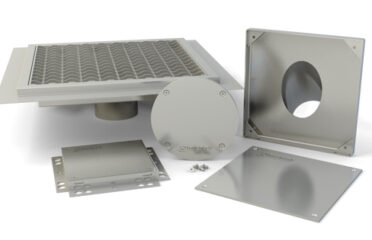
Request quotations that include installation, access covers and maintenance arrangements. Regular removal of accumulated grease and solids helps maintain separation capacity and reduce odours. Cleaning frequency depends on the device capacity and actual kitchen usage, so inspect the unit and establish a suitable service schedule. Arrange appropriate collection and disposal of removed waste rather than returning it to the drain. Staff should also minimise grease entering sinks through good kitchen waste handling practices.
Browse related construction suppliers and specialist contractors for complementary project requirements.
Requirements depend on the local authority, drainage arrangement and food preparation activities. Confirm the applicable rules with a qualified plumber or municipality.
Frequency depends on capacity and grease loading. Follow manufacturer guidance and applicable local requirements.
No. It reduces grease entering the drainage system but does not replace proper waste handling and plumbing maintenance.