Help Customers Find Your Dust Extraction Systems Business
Showcase your dust extraction systems products and services to potential customers across South Africa. Add your company to our construction business directory.
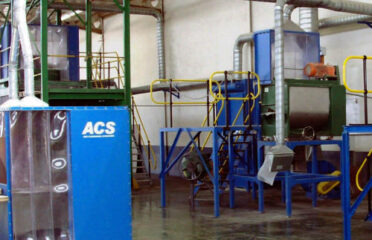
Dust extraction systems capture airborne particles generated by construction, woodworking and industrial processes. They typically combine capture hoods, ductwork, fans and filtration equipment. Effective extraction depends on capturing contaminants near their source and maintaining suitable airflow throughout the system. Equipment selection must reflect the dust characteristics and exposure risks.
Applications and services
Applications include workshop machinery, cutting stations, sanding operations and manufacturing processes. Local exhaust ventilation can reduce dust dispersal when properly designed and maintained. Filters and collection arrangements must suit particle size and dust loading. Combustible dust requires specialist assessment of fire and explosion hazards. Construction activities involving silica-containing materials need appropriate exposure controls, which may include suitable extraction alongside other measures. Ordinary ventilation alone may not provide adequate control.
Choosing suppliers and specialists
Provide specialists with process details, machinery layouts, materials and expected operating schedules. Request a design identifying capture points, airflow requirements, filtration and safe disposal arrangements. Confirm commissioning tests and maintenance access. Ask how filter condition and airflow will be monitored. Obtain competent occupational hygiene and engineering advice for hazardous dust applications. Compare operating energy, replacement filter costs and service support. Ensure workers receive appropriate training and that changes to machinery or ductwork are reviewed before implementation.

 21 Prince Street, Durban, 4001...