Preserving History: Architectural Salvage Companies in South Africa
Architectural salvage involves rescuing, repurposing, and restoring building materials and elements from old structures slated for demolition or renovation. In South Africa, where a rich tapestry of historical and cultural heritage intertwines with modern development, architectural salvage companies play a crucial role in preserving the past while contributing to sustainable building practices and design creativity. This article delves into the significance of architectural salvage companies in South Africa and their impact on the nation’s architectural landscape.
The Essence of Architectural Salvage:
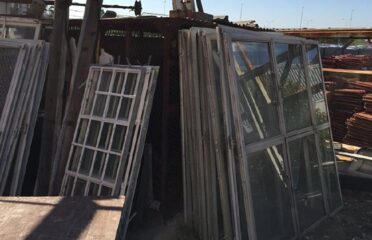
Architectural salvage involves the procurement and reuse of salvaged building materials, fixtures, fittings, and architectural elements from structures undergoing demolition, renovation, or restoration. These salvaged items, which may include doors, windows, flooring, hardware, and decorative features, are carefully removed, refurbished, and repurposed for use in new construction projects or interior design schemes, preserving their historical character and cultural significance.
Key Features of Architectural Salvage:
Historical Preservation: Architectural salvage companies contribute to the preservation of historical buildings and landmarks by rescuing and repurposing architectural elements that embody the craftsmanship, character, and heritage of bygone eras, ensuring that their legacy lives on for future generations to appreciate and enjoy.
Sustainability and Environmental Stewardship: Salvaging and reusing building materials divert waste from landfills, reduce the demand for new raw materials, and minimise the carbon footprint associated with manufacturing, transportation, and disposal, thereby promoting sustainability and resource conservation.
Design Versatility: Architectural salvage offers designers and builders a diverse array of unique and character-rich materials and features that can add charm, authenticity, and individuality to new construction projects, renovation schemes, and interior design concepts, fostering creativity and design innovation.
Cultural and Artistic Expression: Salvaged architectural elements evoke a sense of history, craftsmanship, and cultural identity, enriching the built environment with layers of narrative, symbolism, and aesthetic value that resonate with local communities and contribute to the cultural fabric of society.
Services Offered by Architectural Salvage Companies:
Salvage Procurement: Architectural salvage companies source salvaged building materials and architectural elements from a variety of sources, including demolition sites, salvage yards, and architectural salvage auctions, selecting items of historical, architectural, or artistic significance for resale or repurposing.
Restoration and Refurbishment: These firms provide restoration and refurbishment services for salvaged items, including cleaning, repair, refinishing, and structural reinforcement, to restore them to their original condition or adapt them for new uses while preserving their historical integrity and aesthetic appeal.
Customisation and Design Integration: Architectural salvage companies collaborate with architects, designers, and builders to customise salvaged materials and elements for specific project requirements, providing design consultation, fabrication, and installation services to ensure seamless integration with the overall design concept and architectural vision.
Education and Outreach: Many architectural salvage companies engage in educational initiatives and community outreach programs to raise awareness about the value of architectural salvage, historic preservation, and sustainable building practices, inspiring appreciation for the built heritage and encouraging responsible stewardship of architectural resources.
Leading Architectural Salvage Companies in South Africa:
Reclaim: Reclaim is a prominent architectural salvage company in South Africa, specialising in salvaging, restoring, and repurposing reclaimed building materials and architectural elements for residential, commercial, and heritage projects, with a focus on sustainability and craftsmanship.
Woodstock Salvage: Woodstock Salvage offers a wide selection of salvaged timber, doors, windows, and hardware sourced from demolition sites, architectural salvage yards, and heritage buildings, providing unique and character-rich materials for restoration, renovation, and design projects.
Salvage Solutions: Salvage Solutions is dedicated to salvaging and repurposing architectural elements and materials from historical and vernacular structures across South Africa, offering a curated collection of salvaged items and bespoke salvage services for discerning clients and design professionals.
Innovation and Trends in Architectural Salvage:
Architectural salvage companies in South Africa are embracing innovation and technology to expand their offerings and reach new markets. Trends include the use of digital platforms and online marketplaces to showcase salvaged items and connect buyers with sellers, the adoption of 3D scanning and imaging techniques to document and preserve architectural heritage, and the development of collaborative partnerships with designers, artists, and craftsmen to create bespoke salvage-based products and installations.
Conclusion:
Architectural salvage companies play a pivotal role in preserving history, promoting sustainability, and fostering creativity in South Africa’s architectural landscape. Through their dedication to salvaging, restoring, and repurposing architectural elements, these firms contribute to the conservation of heritage buildings, the promotion of sustainable building practices, and the enrichment of design innovation and cultural expression. As South Africa continues to evolve and grow, architectural salvage companies will remain guardians of the past, custodians of the present, and stewards of the future, ensuring that the legacy of the built environment endures for generations to come.

 426 Voortrekker rd, Maitland 7450, Cape Town
 Unit 4 Lowel Level Commercial ...