Breathing Fresh Air: The Air Handling Units Business in South Africa
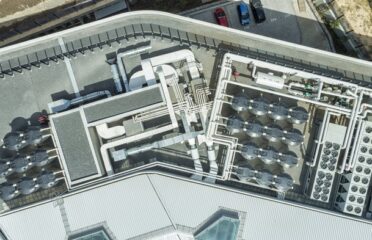
In South Africa, the air handling units (AHUs) business plays a pivotal role in maintaining indoor air quality, comfort, and energy efficiency across various sectors, including residential, commercial, and industrial. Air handling units are essential components of HVAC (Heating, Ventilation, and Air Conditioning) systems, responsible for conditioning and distributing air throughout buildings. This article explores the significance of the air handling units business in South Africa and highlights the benefits they offer in creating healthier and more comfortable indoor environments.
Significance of Air Handling Units:
Air handling units are central to HVAC systems, responsible for filtering, heating, cooling, humidifying, and distributing air throughout buildings. They consist of components such as fans, filters, coils, dampers, and controls, all working together to ensure optimal indoor air quality and comfort. Air handling units play a crucial role in regulating temperature, humidity, and ventilation, creating a healthy and comfortable indoor environment for occupants.
Key Components of Air Handling Units:
- Fans: Move air through the unit and distribute it throughout the building.
- Filters: Remove dust, pollen, and other contaminants from the incoming air.
- Coils: Heat or cool the air as needed to achieve the desired temperature.
- Humidifiers/Dehumidifiers: Adjust the humidity level of the air to maintain comfort.
- Dampers: Control the flow of air and regulate airflow rates to different areas of the building.
- Controls: Monitor and adjust the operation of the unit based on temperature, humidity, and other parameters.
Benefits of Air Handling Units:
- Improved Indoor Air Quality: Air handling units filter out contaminants and pollutants, ensuring that occupants breathe clean and fresh air.
- Enhanced Comfort: By regulating temperature, humidity, and ventilation, air handling units create a comfortable indoor environment year-round.
- Energy Efficiency: High-efficiency air handling units use less energy, reducing operating costs and environmental impact.
- Customization Options: Air handling units can be customized to meet the specific needs of different buildings and applications.
- Reduced Maintenance Costs: Regular maintenance of air handling units can extend their lifespan and reduce the need for costly repairs.
Leading Air Handling Units Manufacturers in South Africa:
Several reputable companies specialize in manufacturing and supplying air handling units across South Africa:
Systemair South Africa: Offers a wide range of air handling units, including compact units, modular units, and custom-built solutions for commercial and industrial applications.
Midea South Africa: Provides innovative air handling units designed for energy efficiency, comfort, and reliability in residential and commercial buildings.
Carrier South Africa: Offers a comprehensive lineup of air handling units, including rooftop units, packaged units, and AHUs with advanced features for indoor air quality and comfort control.
Future Trends in Air Handling Units Technology:
As the HVAC industry evolves, air handling units technology is advancing to meet the changing needs and preferences of building owners, occupants, and designers:
Smart Controls: Integration of IoT (Internet of Things) sensors and controls allows for remote monitoring, diagnostics, and optimization of air handling units for improved performance and energy efficiency.
Energy Recovery Ventilation: Incorporation of energy recovery systems in air handling units helps recover heat or coolness from exhaust air to pre-condition incoming fresh air, reducing energy consumption and operating costs.
Modular Design: Modular air handling units with flexible configurations and interchangeable components offer scalability, adaptability, and ease of installation, catering to diverse building requirements and space constraints.
Conclusion:
The air handling units business plays a crucial role in ensuring healthy, comfortable, and energy-efficient indoor environments in South Africa’s diverse climate conditions. By providing effective air conditioning, filtration, and ventilation solutions, air handling units contribute to creating spaces where occupants can live, work, and play comfortably. Whether through standard units, custom-built solutions, or innovative technologies, air handling units manufacturers and suppliers help meet the evolving needs of building owners, designers, and occupants in South Africa’s dynamic HVAC market. Partnering with reputable air handling units manufacturers ensures access to high-quality products, expert advice, and innovative solutions that enhance indoor air quality, comfort, and sustainability in residential, commercial, and industrial buildings across South Africa.

 119 Kyalami Drive Killarney Gardens Cape Town South Africa
 21 Prince Street, Durban, 4001...