Cooling Innovations: Air Conditioning Equipment and Systems Business in South Africa
In South Africa, the air conditioning equipment and systems business is a cornerstone of the HVAC (Heating, Ventilation, and Air Conditioning) industry, providing essential cooling solutions for residential, commercial, and industrial applications. From traditional split systems to cutting-edge VRF (Variable Refrigerant Flow) technology, air conditioning equipment and systems play a pivotal role in maintaining indoor comfort, enhancing energy efficiency, and promoting productivity. This article delves into the significance of the air conditioning equipment and systems business in South Africa and highlights the innovations driving the industry forward.
Importance of Air Conditioning Equipment and Systems:
Air conditioning equipment and systems are essential for creating comfortable indoor environments in South Africa’s diverse climate conditions. These systems regulate temperature, humidity, and air quality to ensure optimal comfort, health, and productivity for occupants. From single-room units to centralized systems, air conditioning equipment and systems cater to the cooling needs of residential homes, office buildings, shopping malls, data centers, hospitals, and manufacturing facilities.
Key Components of Air Conditioning Systems:
Indoor Units: Includes air handlers, fan coils, and ducted units installed inside buildings to deliver conditioned air to occupied spaces.
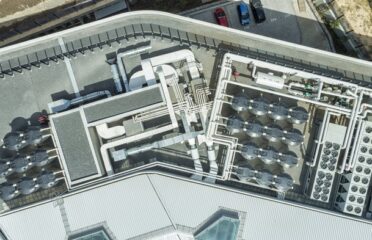
Outdoor Units: Comprise condensers, compressors, and heat exchangers located outside buildings to dissipate heat and release cooled refrigerant.
Refrigerant Piping: Connects indoor and outdoor units to circulate refrigerant, transferring heat between the evaporator and condenser coils.
Controls and Sensors: Monitor and regulate temperature, humidity, airflow, and system operation for optimal performance and energy efficiency.
Air Distribution System: Consists of ductwork, grilles, and diffusers to distribute conditioned air evenly throughout the building.
Leading Manufacturers of Air Conditioning Equipment and Systems:
Several reputable companies specialize in manufacturing and supplying air conditioning equipment and systems in South Africa:
Daikin South Africa: Offers a wide range of air conditioning solutions, including split systems, VRV (Variable Refrigerant Volume) systems, and chiller plants for residential, commercial, and industrial applications.
LG Air Conditioning South Africa: Provides innovative HVAC solutions, including inverter air conditioners, multi-split systems, and VRF systems designed for energy efficiency and comfort.
Samsung HVAC South Africa: Offers a comprehensive lineup of air conditioning products, including single-zone and multi-zone systems, with advanced features such as Wi-Fi connectivity and smart controls.
Innovations in Air Conditioning Technology:
The air conditioning equipment and systems business in South Africa is driven by technological advancements and innovations aimed at improving performance, efficiency, and sustainability:
Variable Refrigerant Flow (VRF) Systems: VRF technology allows for precise control of refrigerant flow to individual indoor units, enabling simultaneous heating and cooling in different zones with enhanced energy efficiency.
Inverter Technology: Inverter-driven compressors adjust speed based on cooling demands, optimizing energy consumption and maintaining consistent comfort levels.
Smart Controls and Connectivity: IoT (Internet of Things) integration enables remote monitoring, scheduling, and control of HVAC systems via smartphones, tablets, or web interfaces, enhancing user convenience and energy management.
Green Refrigerants: Environmentally friendly refrigerants with low global warming potential (GWP) are increasingly used to reduce greenhouse gas emissions and comply with regulatory standards.
Conclusion:
The air conditioning equipment and systems business in South Africa plays a pivotal role in providing innovative cooling solutions that enhance indoor comfort, energy efficiency, and environmental sustainability. From residential homes to large-scale commercial developments, air conditioning systems are indispensable for creating comfortable and healthy indoor environments across diverse applications. By embracing technological advancements and sustainability practices, manufacturers and suppliers of air conditioning equipment and systems contribute to shaping the future of cooling solutions in South Africa, driving progress towards energy-efficient, smart, and sustainable buildings. Whether through advanced VRF systems, inverter-driven compressors, or IoT-enabled controls, the air conditioning equipment and systems business continues to evolve, offering solutions that meet the evolving needs of clients while promoting comfort and sustainability in South Africa’s built environment.

 119 Kyalami Drive Killarney Gardens Cape Town South Africa
 21 Prince Street, Durban, 4001...