The Role of Cabinet Companies in South Africa’s Construction Industry
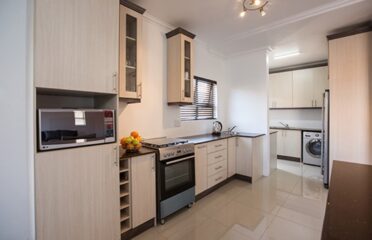
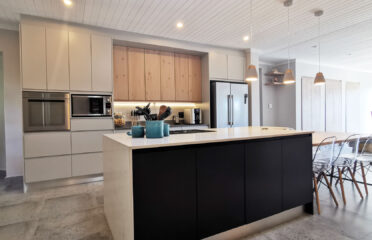
The construction industry in South Africa is a vital component of the country’s economy, with infrastructure development, residential housing, and commercial projects continuously contributing to economic growth. Within this sector, cabinet companies play a crucial role by providing custom and high-quality cabinetry that enhances both the functionality and aesthetic appeal of interior spaces. These companies specialize in designing, manufacturing, and installing various types of cabinetry, which are essential elements in kitchens, bathrooms, offices, and other areas that require storage and organization.
Importance of Cabinet Companies in Construction
Cabinet companies in South Africa are integral to the construction process, particularly in the finishing stages of both residential and commercial projects. The cabinetry they produce must meet specific requirements regarding quality, durability, and design, ensuring that it not only serves its practical purpose but also complements the overall interior design.
Custom Solutions for Unique Spaces: One of the primary advantages of working with cabinet companies in the construction industry is their ability to provide custom solutions. Unlike mass-produced cabinetry, custom cabinets are designed to fit the exact dimensions of a space, which is particularly important in bespoke residential homes, luxury developments, and high-end commercial spaces. Custom cabinetry ensures optimal use of space, whether it’s in a small kitchen that needs to maximize storage or a corporate office requiring specialized filing systems.
Enhancing Property Value: High-quality cabinetry can significantly enhance the value of a property. In the competitive South African real estate market, the quality of interior finishes, including cabinetry, can be a deciding factor for potential buyers. Properties with well-designed, durable, and attractive cabinets tend to have higher market value and appeal. This makes the role of cabinet companies in construction critical, as they contribute directly to the marketability and sale ability of properties.
Sustainability and Eco-Friendly Practices: With increasing awareness of environmental issues, many cabinet companies in South Africa have embraced sustainable practices. They source eco-friendly materials and adopt manufacturing processes that minimize waste and reduce environmental impact. This shift towards sustainability is aligned with global trends and caters to a growing segment of consumers and businesses that prioritize eco-friendly construction and interior design solutions. By incorporating sustainable cabinetry, construction companies can appeal to environmentally conscious clients and adhere to green building standards.
Technological Integration and Innovation: The cabinet-making industry in South Africa has also seen advancements in technology, which have improved the precision, efficiency, and quality of cabinet production. Computer-Aided Design (CAD) software, CNC (Computer Numerical Control) machines, and other modern tools allow for the creation of highly customized and intricate designs. These technologies enable cabinet companies to meet the evolving demands of the construction industry, where precision and quality are paramount.
Challenges Facing Cabinet Companies in South Africa
Despite the crucial role they play, cabinet companies in South Africa face several challenges that can impact their operations and the overall construction industry.
Cost Fluctuations and Material Shortages: The cost of raw materials, particularly wood, has been subject to fluctuations due to factors such as exchange rates, import tariffs, and global supply chain disruptions. Additionally, the local availability of quality timber can be inconsistent, leading to delays and increased costs for cabinet manufacturers. These challenges require cabinet companies to be adaptable and resourceful in sourcing materials without compromising on quality.
Skilled Labor Shortage: The cabinet-making industry, like many others in South Africa, is facing a shortage of skilled labor. This shortage can affect the quality and timeliness of production. To address this, many companies invest in training programs to develop the necessary skills within their workforce, ensuring that they can continue to deliver high-quality products.
Competition from Imported Products: The influx of imported cabinetry products, often at lower prices, poses a challenge for local cabinet companies. While these imports can be more affordable, they often lack the customization and quality that local companies provide. To compete, South African cabinet companies emphasize the superior craftsmanship, durability, and customization options they offer, which are critical for high-end construction projects.
The Future of Cabinet Companies in the Construction Industry
The future of cabinet companies in South Africa’s construction industry is promising, driven by the ongoing demand for high-quality, customized interior solutions. As the country’s urbanization continues and more people move into cities, the demand for residential housing and commercial spaces is expected to rise. This will create opportunities for cabinet companies to expand their offerings and cater to a broader market.
Moreover, as sustainability becomes increasingly important, cabinet companies that adopt green practices and offer eco-friendly products will likely have a competitive edge. The integration of smart technology into cabinetry, such as automated systems and smart storage solutions, is another area where innovation can drive growth.
In conclusion, cabinet companies are a vital part of South Africa’s construction industry, contributing to the quality, functionality, and aesthetic appeal of both residential and commercial properties. Despite the challenges they face, their ability to provide customized, high-quality, and sustainable solutions positions them as key players in the ongoing development of the country’s built environment. As the industry evolves, these companies will continue to adapt, innovate, and meet the demands of a growing and increasingly discerning market.

 Unit 2, 49 Eland Street, Koedoespoort Industrial, Pretoria

 149 Clydesdale Road, Springs, ...